

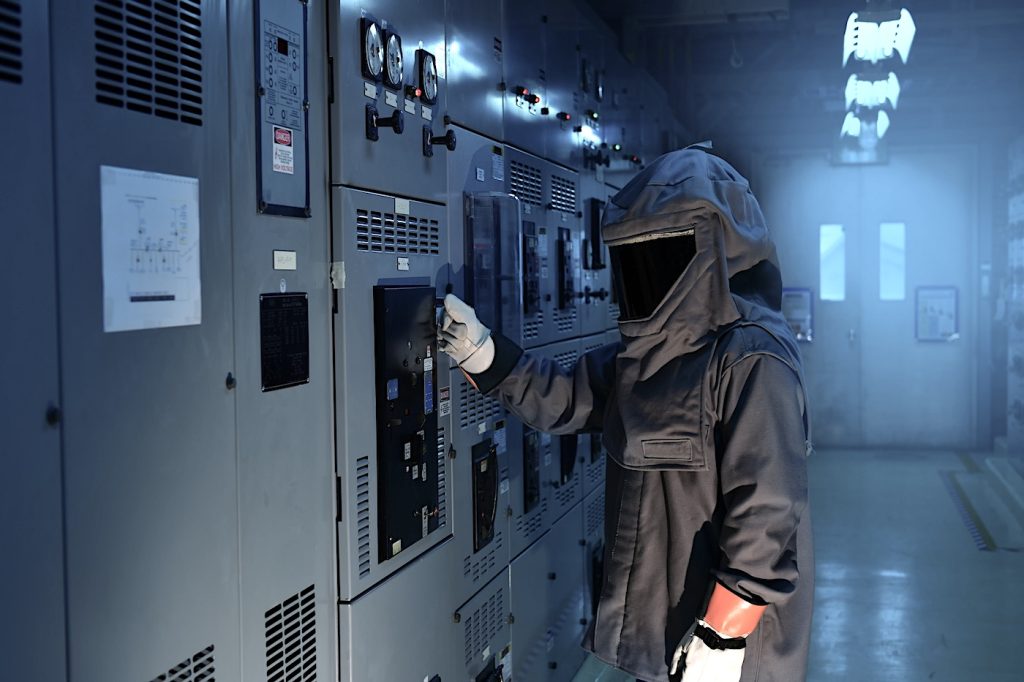
As an industrial-focused team, we design studies that reduce electrical risk and prevent costly downtime. Our Arc Flash Assessment in Spartanburg, SC delivers defensible calculations, practical settings, and a clear plan your team can execute. We align scope with your operating constraints so production and safety stay in balance. From first walkthrough to final report, our objective is measurable risk reduction your leadership can trust.
Why Spartanburg Facilities Choose Us
Manufacturers here run complex processes on legacy and modern gear, which complicates protection and maintenance. We start by validating single-line accuracy and gathering device data so the study reflects your real system. Outcomes focus on reducing incident energy where feasible and setting priorities that match your budget and outage windows. You get straightforward actions that keep crews protected while keeping lines running.
Methodology Built For Accountability
Our workflow includes short circuit and coordination studies, PPE categorization, and task-based recommendations. Calculations are transparent and reproducible, backed by vetted software and disciplined quality checks. We package results by area, feeder, and equipment so supervisors can assign work with confidence. Labels, drawings, and settings are aligned so procedures and training reinforce the same safety message.
Clarity On Labels And Work Practices
Clear Arc Flash Labeling helps qualified workers quickly identify approach boundaries, PPE, and arc duration at the point of work. We produce durable labels and a placement plan that covers switchgear, MCCs, panels, and relevant process equipment. Job plans and energized work permits tie back to the study so audits see consistency from documents to the field. When settings or gear change, we show you how to keep documentation in sync.
Training, Procedures, And Culture
A study is only as strong as the people who use it. We deliver concise sessions for technicians, supervisors, and managers that reinforce shock and arc hazard awareness. Practical drills and checklists help teams standardize approach, verification, and lockout sequencing. Your people gain confidence because expectations are simple, consistent, and measurable.
Documentation And Proof Of Performance
Deliverables include updated single-lines, device settings, calculation summaries, and a prioritized mitigation roadmap. We include an audit-ready appendix so insurers and internal safety teams can trace assumptions and methods. Maintenance test plans help ensure protections keep pace with real conditions and aging equipment. You will always know what was recommended, what was done, and what remains.
Budget, Timeline, And Regional Support
We scale from pilot areas to multi-site programs, supporting nearby industrial hubs like Greenville, NC and Charlotte without travel drama. Crews coordinate work during planned outages, and we can stage temporary power where needed to protect production and data. If you operate in Gastonia, Statesville, Asheville, Winston Salem, Columbia, Anderson, or Fountain Inn, our approach remains consistent. You get one accountable partner who understands your standards and documentation preferences.
Work With Experienced Engineers
As Electrical Engineering Consultants, we bring the depth to integrate improvements into future upgrades and capital plans. We collaborate with plant engineering, EHS, maintenance, and operations to ensure recommendations are realistic. The result is a safer electrical system, fewer surprises during audits, and clearer priorities for the year ahead. Let’s align scope, schedule, and deliverables so your facility gets measurable value.